Nellie Kim’s memoir, The Smell of Melon (Zapakh Dyni), was serialized in the Soviet sports newspaper Sovetsky Sport in February 1983, three years after the Moscow Olympics. It traces her journey from childhood in Chimkent (now Shymkent, Kazakhstan) to the pinnacle of international gymnastics.
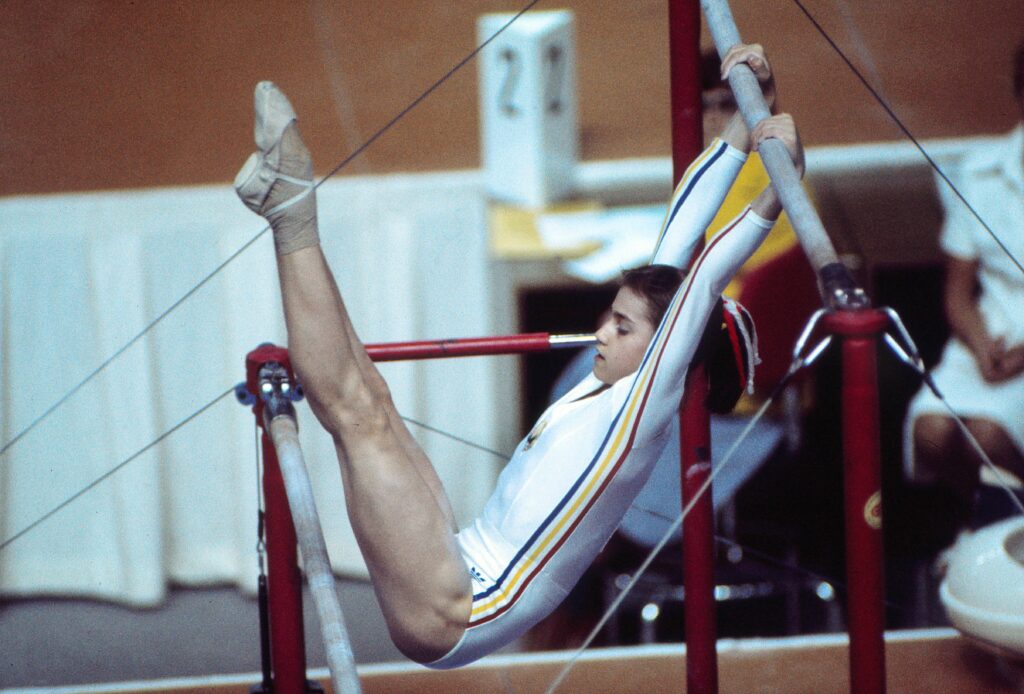
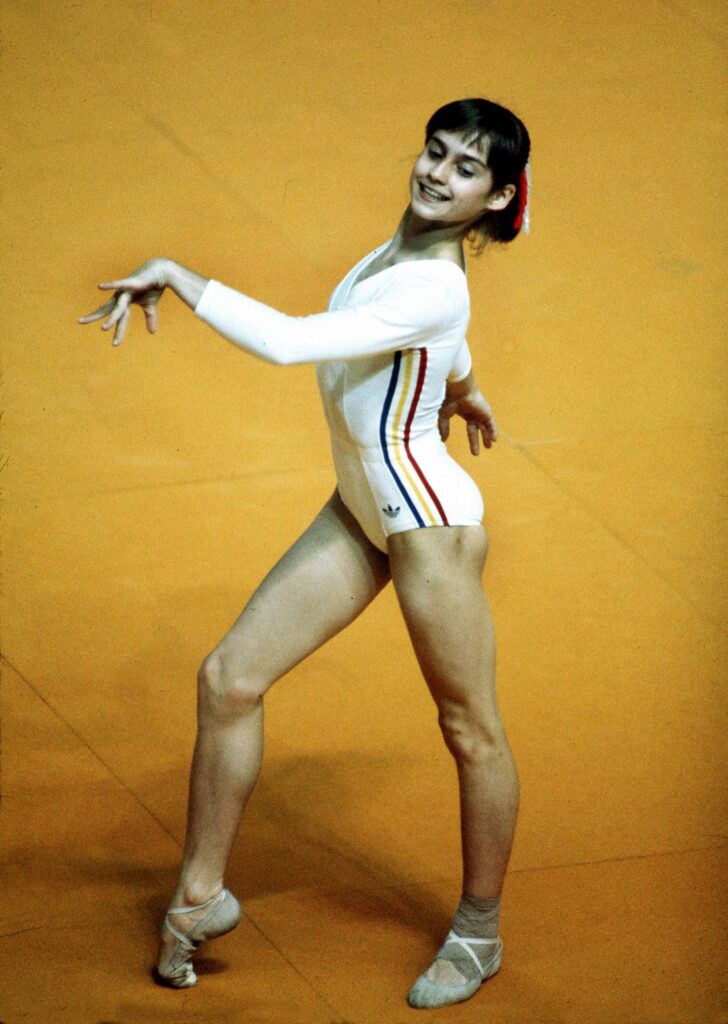
By then, Kim was already one of the sport’s most decorated athletes: a five-time Olympic gold medalist across the 1976 and 1980 Games, the 1979 world all-around champion, and a key contributor to multiple Soviet team victories at World Championships and other major international competitions.
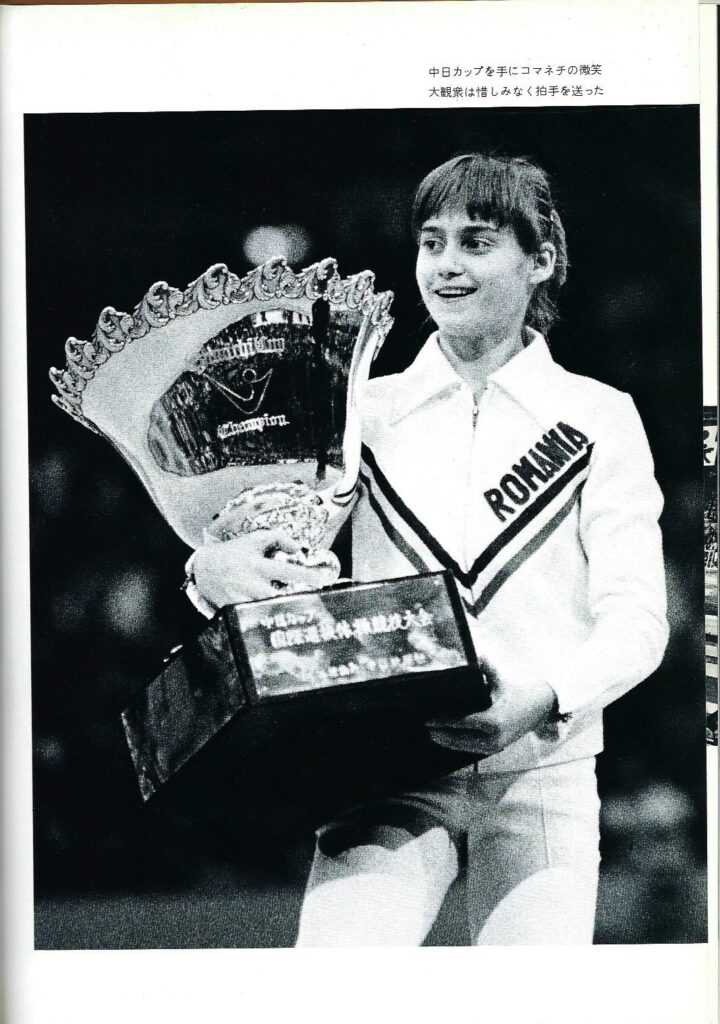
The Smell of Melon does not focus solely on Kim’s triumphant moments. In fact, it devotes considerable attention to uncertainty, self-doubt, and the long process of becoming an elite athlete. Kim writes candidly about difficult training sessions, conflicts with coaches, homesickness, injuries, and the emotional highs and lows that accompanied her rise through the Soviet gymnastics system. The memoir is also rich in portraits of the people who shaped her career, including her parents, coach Vladimir Baydin, Larisa Latynina, Olga Korbut, Ludmilla Tourischeva, Maria Filatova, and even Nadia Comăneci.
The translation below follows the original 1983 newspaper serialization as it appeared in Sovetsky Sport.